
Gat No. 129, Near SM Mart, Ganesh Nagar, Talawade, Pune - 411062, Maharashtra, India
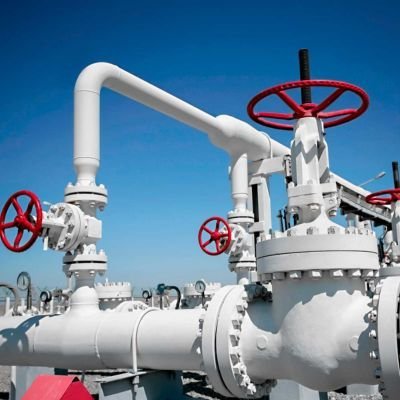
Pumps and valves in Dubai and the wider UAE spend much of their working life in contact with seawater, brine and sand-laden fluids: desalination and power plants along the Gulf coast, district cooling networks, port and marine systems, and oil and gas facilities onshore and offshore. Chlorides attack the base metal while suspended solids cut the sealing and running surfaces, so wear and corrosion arrive together.
Ultraweld Coat provides pump & valve coating services for customers in Dubai, UAE. Components are coated by HVOF thermal spray at our works in Pune, India, finished by grinding and lapping, and supplied ready to fit.
In chloride-rich water a hard coating only helps if it is also a barrier. A porous layer lets brine reach the substrate, and corrosion then lifts the coating from underneath. HVOF spraying deposits tungsten carbide at very high particle velocity, which produces a dense, well-bonded layer.
For wet, corrosive duty we normally discuss tungsten carbide with a nickel-chrome binder rather than plain cobalt, because it is the binder that has to resist the brine. Where the surface also runs hot, chromium carbide nickel chrome is the usual alternative.
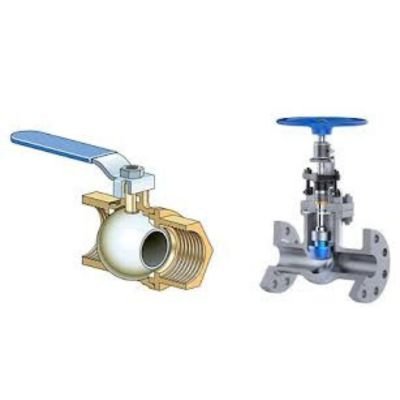
Balls, gates and seats of metal seated valves on produced water, seawater and hydrocarbon lines. Coating both sealing faces and lapping them as a pair keeps the valve tight after repeated cycling in sandy flow.
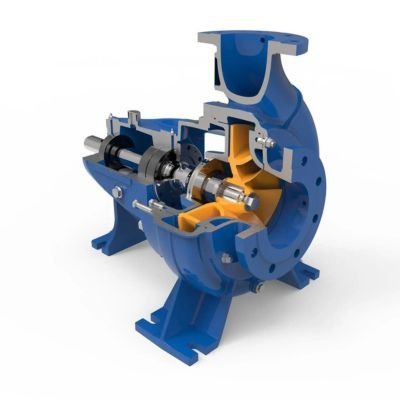
Impellers, casings and shafts on seawater intake, brine and cooling water pumps, where entrained sand and shell fragments erode vane tips and sidewalls.
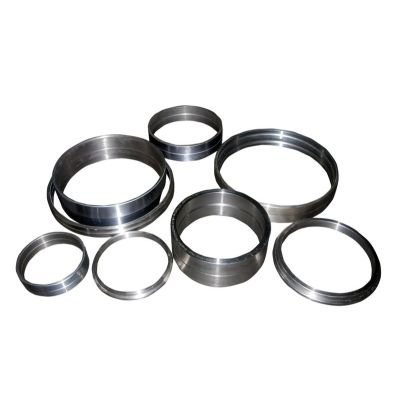
Stainless wear rings tend to gall when they touch. A carbide-coated ring face gives the hardness difference needed to avoid seizure and holds running clearances for longer.
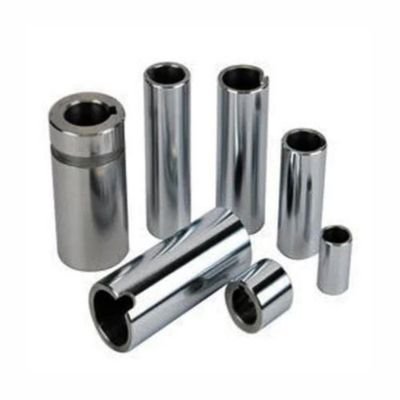
Shaft sleeves under gland packing on brine and seawater pumps. A tungsten carbide or ceramic surface resists the grooving caused by solids trapped in the packing.
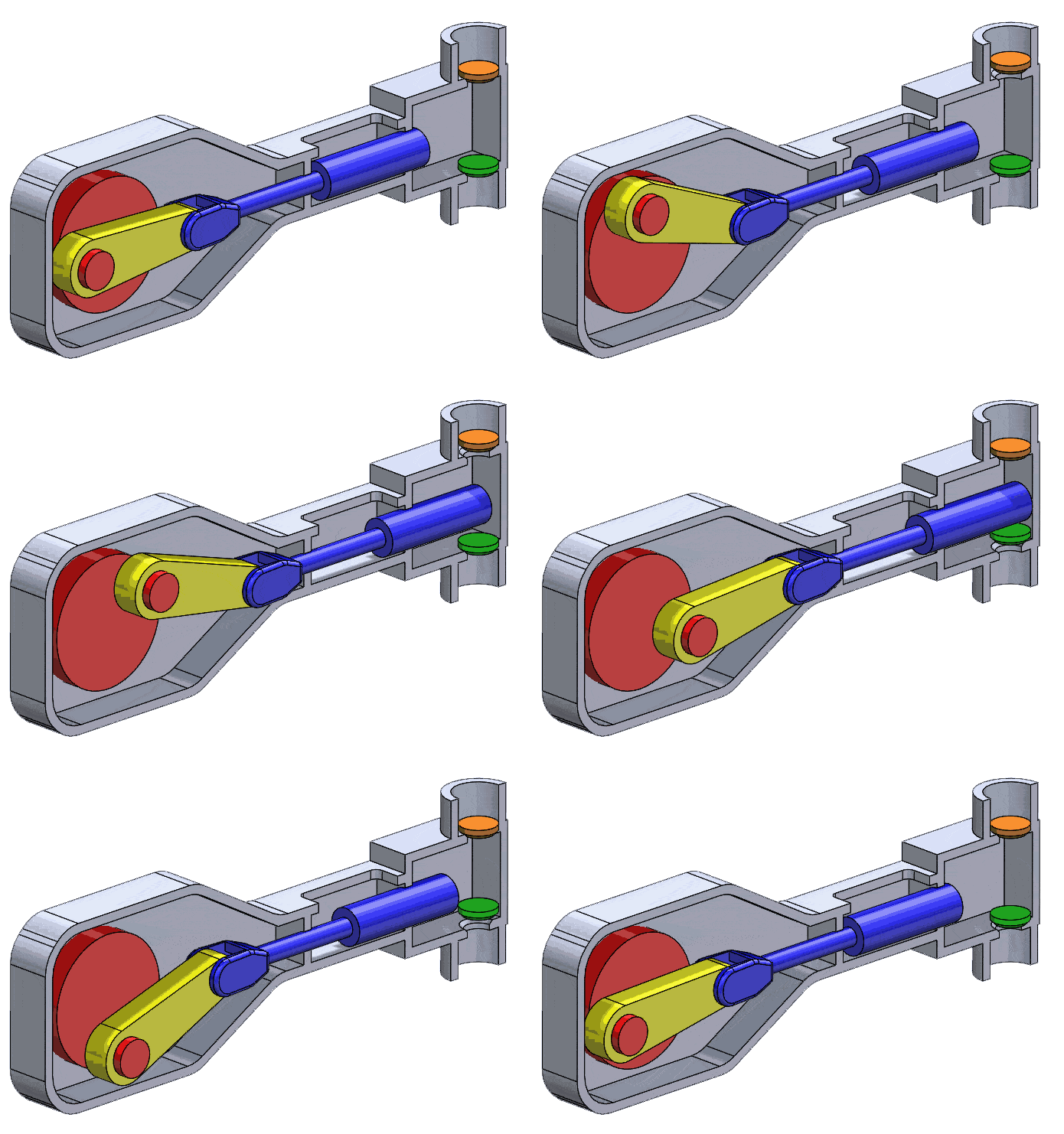
Plungers for high-pressure injection and chemical dosing pumps, coated and super-finished so the packing seals against a hard, smooth surface.
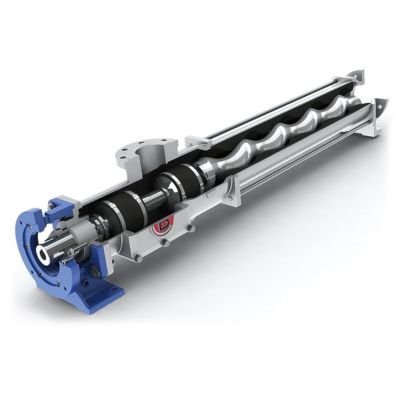
Rotors handling sludge, drilling mud and viscous slurry, coated with tungsten carbide and finished to size for a correct fit in the stator.
Send the component drawing, base material, process media and operating temperature. We recommend a coating material and thickness, then coat, grind, lap and inspect the parts in Pune before dispatch. Both new components and worn parts that can be built back up to drawing size are accepted.
A dense HVOF tungsten carbide coating with a corrosion-resistant binder is the usual starting point for seawater and brine. The final choice depends on the base material, solids content and temperature of your application.
Often, yes. If enough sound material remains, the worn surface is machined back, coated and ground to the original size. We assess each part before quoting.
Yes. Coated sealing surfaces are ground and then lapped, with the ball and seats matched as a set so the metal-to-metal seal is tested before the valve is assembled.
 Get Free Quote