
Gat No. 129, Near SM Mart, Ganesh Nagar, Talawade, Pune - 411062, Maharashtra, India
These examples show the kind of work carried out at the Ultraweld Coat works in Pune. Each one names the component, explains what goes wrong with that kind of part in service, and says what we did to it. Client names and performance figures are not published here; tell us about your application and we will share the experience that is relevant to it.
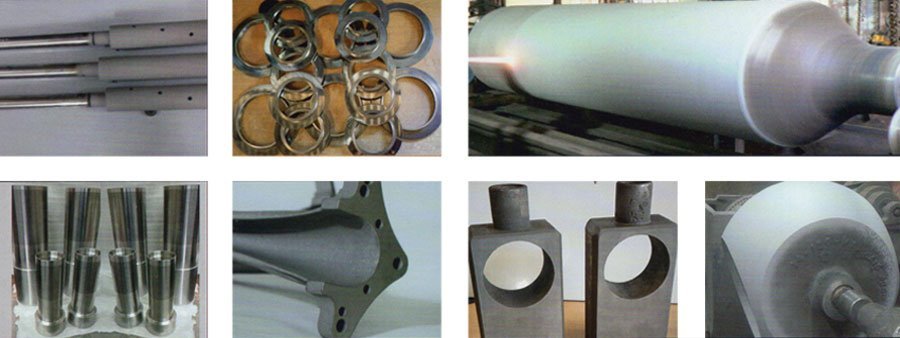
The component: An oil flinger, the ring on a rotating shaft that throws oil back from the seal area.
The problem in service: The diameter that runs against the seal wears and grooves, and the seal begins to leak.
What we did: Applied a tungsten carbide cobalt coating to the running surface by HVOF and finished it by grinding.
The component: A phosphor bronze housing with a bore that carries a running part.
The problem in service: Bronze is easily machined but soft, so the bore wears oval and loses its fit.
What we did: Coated the inside of the bore to give it a hard wear surface, then finished it to size.
The component: A tool used in wood processing.
The problem in service: Continuous rubbing contact wears the working surface.
What we did: Applied a nickel chrome coating to the working surface.
The component: Furnace and process rolls, pump sleeves and shafts.
The problem in service: Abrasion, heat and corrosion remove metal from the working diameter.
What we did: Coated with tungsten carbide, chromium carbide or ceramic according to the duty, and ground to drawing size in our own grinding shop.
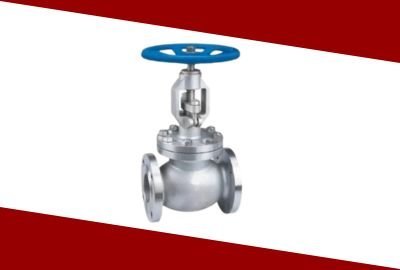
The component: A bonnet for a high-pressure valve.
The problem in service: Corrosive fluid attacks the wetted surfaces and sealing areas of a carbon steel bonnet.
What we did: Clad the wetted surfaces with corrosion-resistant alloy (Inconel 625 and 825, Hastelloy B3 and C276 are applied) using Fronius welding systems and Kuka robots. See specialty cladding.
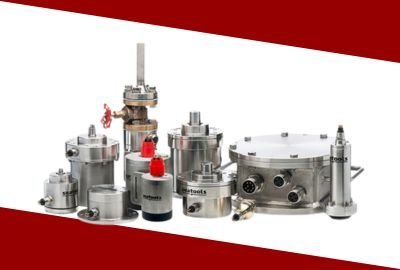
The component: Components for subsea service.
The problem in service: Seawater outside and sour production fluid inside leave no room for coating defects, and access for repair is very limited.
What we did: Applied weld overlay cladding with welding engineers controlling the welding variables to the client’s specification.
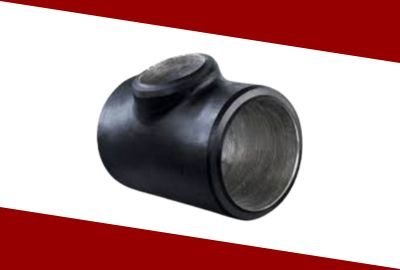
The component: Pipe from 3 to 36 inches in diameter.
The problem in service: Sour and corrosive fluids would corrode carbon steel pipe from the inside.
What we did: Overlaid the bore with Inconel 625 or 825, or Hastelloy C276 or B3. See cladded pipe and fittings.
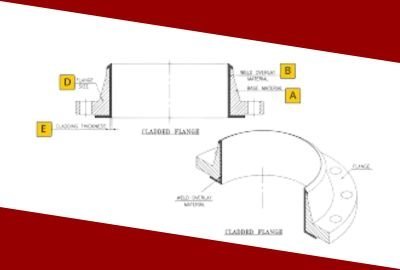
The component: Fittings, including flanges up to 60 inches in diameter.
The problem in service: Fittings have shapes that cannot be made from clad plate, yet they carry the same corrosive fluid as the pipe.
What we did: Clad the wetted surfaces by automated weld overlay so the corrosion barrier is continuous through the line.
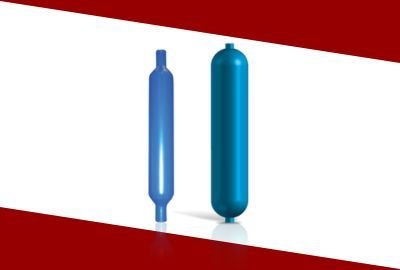
The component: An accumulator shell for high-pressure use.
The problem in service: The shell holds stored energy at high pressure, so its design, welding and testing are governed by code.
What we did: Fabricated the shell with the ASME ‘U’ stamp. See pressure vessels.
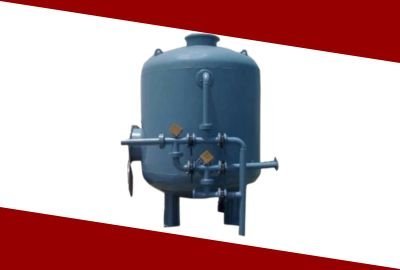
The component: A high-pressure filter for oil and gas service.
The problem in service: Filter elements have to be changed regularly without long shutdowns.
What we did: Built the vessel with a quick-opening lid for access to the elements.
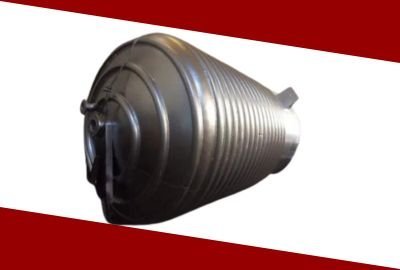
The component: A pressure vessel for chemical service.
The problem in service: The contents would corrode a plain carbon steel shell.
What we did: Built a cladded pressure vessel in compliance with ASME Section VIII Division 1.
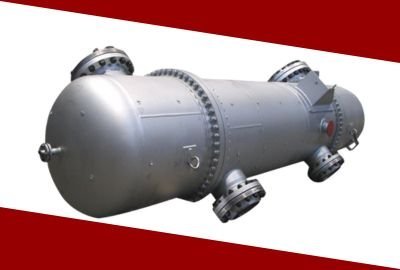
The component: A heat exchanger for high-pressure duty.
The problem in service: High pressure on the shell or tube side demands code construction and leak-tight tube joints.
What we did: Fabricated an ASME ‘U’ stamped exchanger, with tubes installed to precision tolerances. See heat exchangers.
Send us the drawing, the base material and the service conditions. We will tell you how we would approach it and what we have done on similar parts. Contact our team, or see our certifications and quality page.
 Get Free Quote