
HIGH VELOCITY OXYGEN FUEL
HVOF coating services
in Pune, India.
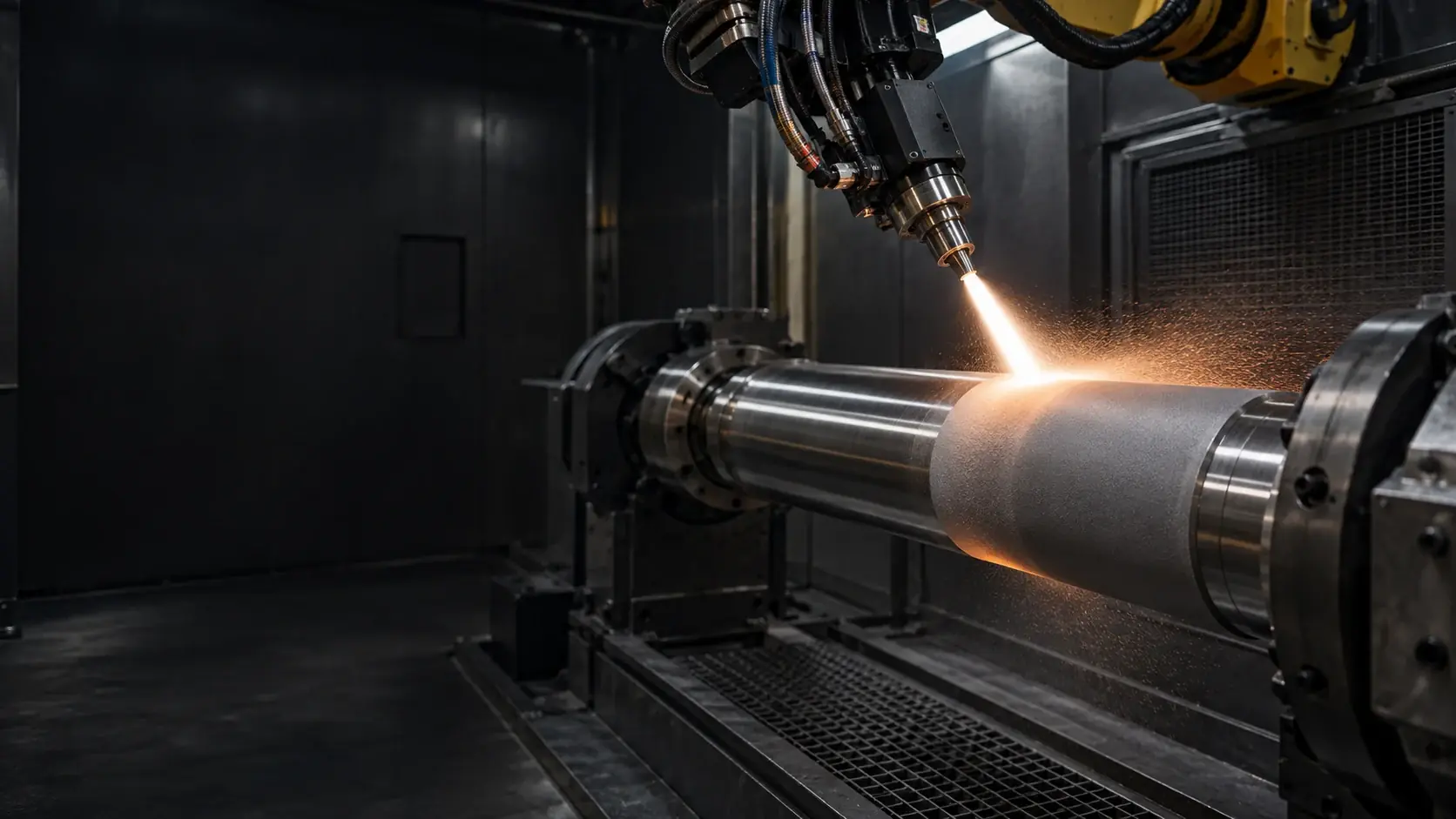
HVOF (high velocity oxygen fuel) coating is a thermal spray process that deposits dense tungsten carbide or chromium carbide on a metal part to protect it against wear, erosion and corrosion. Ultraweld Coat applies it in Pune for pump manufacturers, valve manufacturers and the petroleum industry across India.
Wear resistance
Surface protection for demanding service.
Corrosion protection
Coatings matched to operating conditions.
Precision finishing
Machining, grinding, and lapping expertise.
BUILT AROUND YOUR COMPONENT
Critical surfaces.
Specific solutions.
Material, geometry, and operating conditions
guide every coating specification.
Industrial valves
Valve balls, gates, and seats exposed to demanding flow and sealing conditions.
View valve applicationsPetroleum & process equipment
Wear-critical parts in oil and gas service. Pipe and fitting cladding is available as a separate surface protection solution.
Explore pipeline claddingRollers, sleeves & wear parts
Surface restoration and coating for industrial components, with grinding and finishing to suit the drawing.
Explore precision finishingHVOF COATING IN PUNE, INDIA
HVOF coating service
providers in Pune.
For pump, valve, and petroleum industry
equipment manufacturers across India.
Ultraweld Coat is renowned as one of the leading HVOF coating service providers in Pune. Thermal spray coating is used to improve or restore the surface characteristics or dimensions of a component, and the technique improves erosion resistance, wear resistance, and corrosion protection.
HVOF coating produces excellent adhesion, significant wear resistance, corrosion protection, and remarkable hardness. As HVOF coating service providers in Pune, we deliver the service with an emphasis on the needs of the client to achieve consistent outcomes. HVOF coating helps lower lifecycle costs and keeps components functional under extreme chemical and thermal conditions.
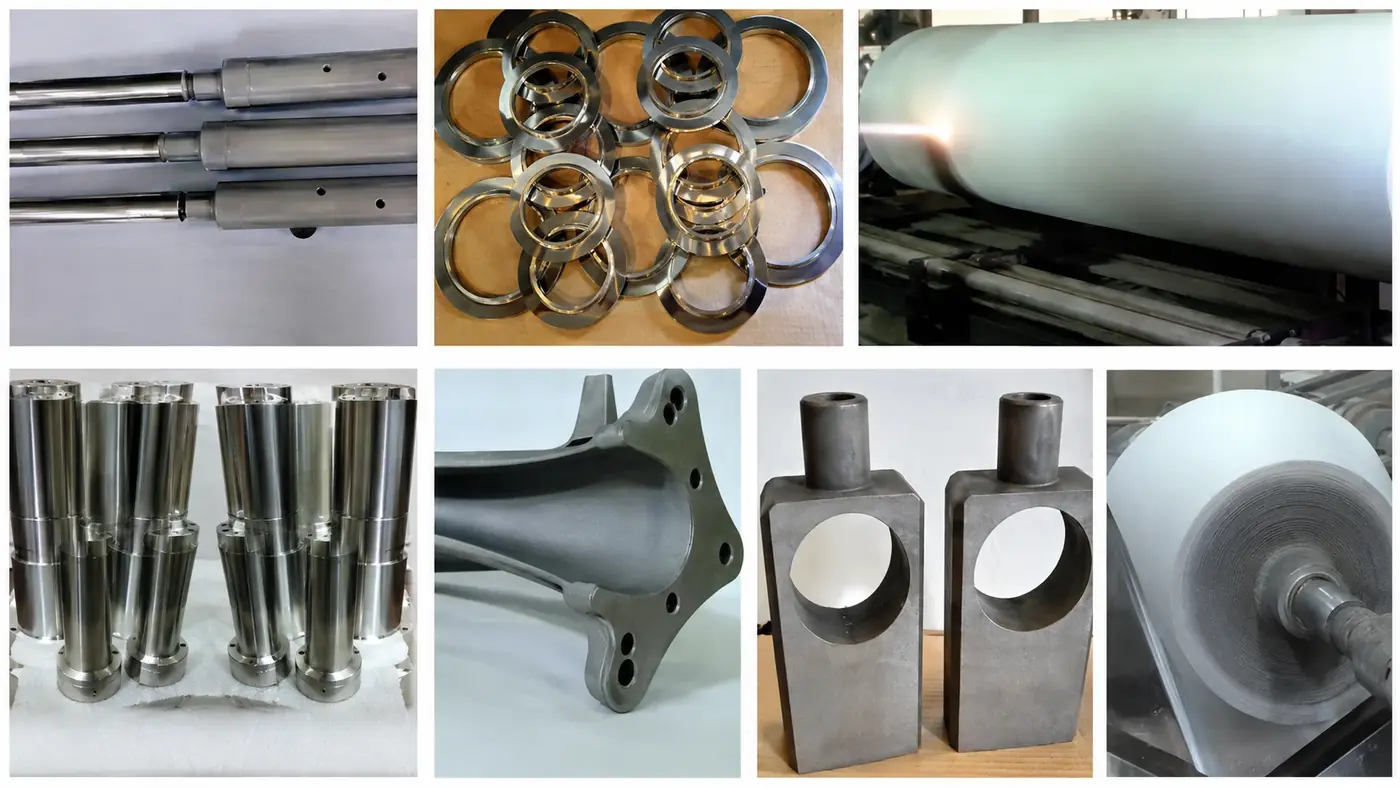
Coated components
- Oil flinger – WC-Co coating
- PH bronze housing – inside coating
- Woodworking tool – NiCr coating
Applications
- Rolls in steel mills, to increase the friction coefficient and reduce wear
- Complex aluminium dies and pump sleeves (molten metal does not adhere to the coating)
- High-temperature rollers, ball valves, and seats for furnaces
- Pump sleeves for the oil industry
- Pump parts exposed to erosion and cavitation
Alloys
- Tungsten Carbide Cobalt
- Stellite, various grades
- Chromium Carbide Nickel Chrome
- Tungsten Carbide Nickel Chrome
WHO WE COAT FOR
HVOF coating for India’s pump,
valve & petroleum industry.
Coating, grinding, and lapping
from one facility in Pune.
Pump manufacturers
Pump sleeves, shafts, plungers, impellers, and wear rings face abrasion, erosion, and cavitation. HVOF coating on these pump parts helps extend service intervals.
Pump & valve coating 02Valve manufacturers
Balls, seats, gates, and stems of metal seated valves need hard, dense sealing surfaces. Tungsten carbide and chromium carbide coatings are finished by grinding and lapping.
Metal seated valves 03Petroleum industry
Oil and gas, petrochemical, and refinery components work in abrasive, erosive, and corrosive media. The coating is selected for the process media and temperature.
Oil & gas solutions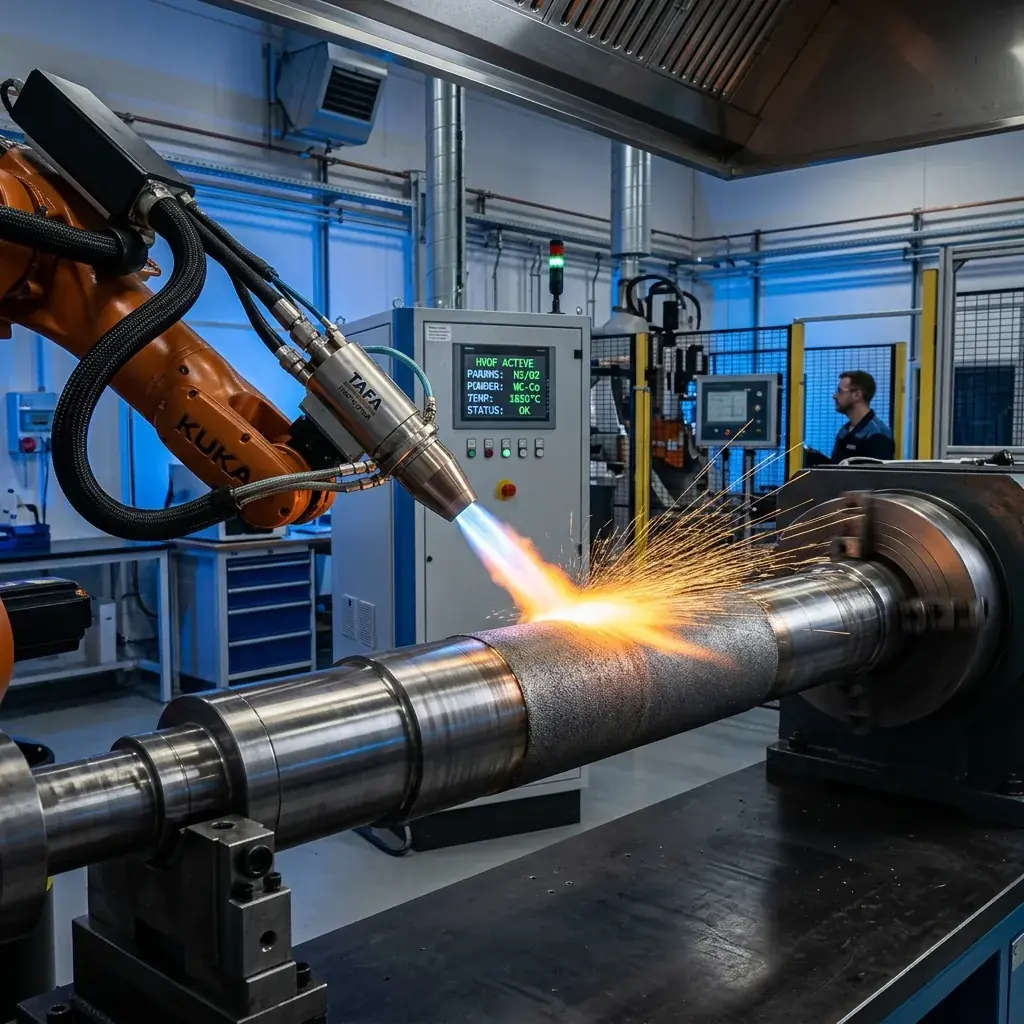
THE HVOF ADVANTAGE
A stronger surface.
A longer working life.
High Velocity Oxygen Fuel (HVOF) thermal spraying creates dense, firmly bonded coatings to help protect critical components against wear and corrosion.
01Surface preparation
Component assessment and surface preparation provide the foundation for the coating process.
02HVOF coating
Coating material is applied using a high-velocity thermal spray process, with material selection guided by the application.
03Precision finishing
Grinding and lapping bring coated surfaces to the finish and dimensions specified for the component.
COATING SELECTION
Match the material
to the application.
Discuss the operating temperature, process media,
wear mechanism, and finish with our team.
Tungsten carbide
Explore tungsten carbide coating capabilities for wear-critical surfaces.
View coating CrCChromium carbide
Explore chromium carbide coating and discuss its suitability for your component.
View coating ↗Need a recommendation?
Share your drawing, base material, and service conditions for a coating discussion.
Talk to our teamA LITTLE MORE DETAIL
Your coating
questions, answered.
Do you provide HVOF coating for pump and valve manufacturers in India?
Yes. Ultraweld Coat is based in Pune, Maharashtra and provides HVOF coating for components sent by pump manufacturers, valve manufacturers, and petroleum industry equipment suppliers anywhere in India. Share your drawing and service conditions to start the discussion.
What is HVOF coating?
HVOF stands for high velocity oxygen fuel. It is a thermal spray process in which coating powder, usually tungsten carbide or chromium carbide, is heated and fired at very high speed onto a prepared metal surface. The result is a dense, hard, well-bonded layer that resists wear, erosion and corrosion.
Can you coat a complete petroleum pipeline?
HVOF is assessed for specific component surfaces. Pipeline protection may require a different process. Ultraweld also offers cladded pipes and fittings; our team can discuss the suitable route for your application.
Which HVOF coating materials do you offer?
Ultraweld Coat applies tungsten carbide cobalt, tungsten carbide nickel chrome, chromium carbide nickel chrome and Stellite in various grades by HVOF. The material is chosen against the wear mechanism, the process fluid and the operating temperature of the component.
What information is needed for a quotation?
For an HVOF coating quotation, share the component drawing, the base material, the quantity, the areas to be coated, the operating conditions, and any required coating thickness, tolerance or surface finish. A sample or photograph of a worn part also helps.
Do you offer finishing after coating?
Yes. Ultraweld Coat has its own machining, grinding and lapping facilities, so components are coated and finished in one place. The finishing route is set by the component: its required dimensions, tolerance and surface finish.
Last updated: