
Gat No. 129, Near SM Mart, Ganesh Nagar, Talawade, Pune - 411062, Maharashtra, India
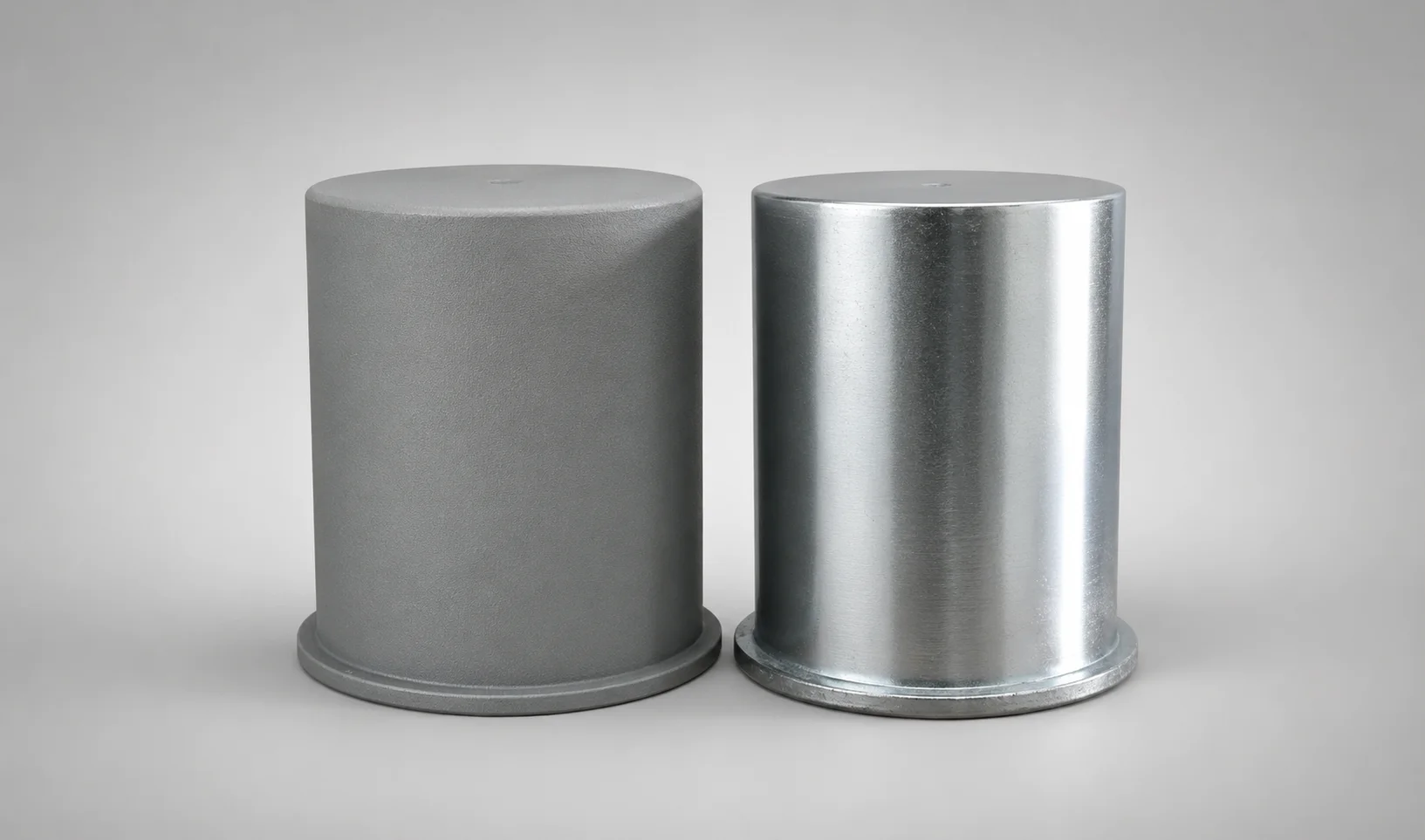
Ultraweld coat are the best Stellite 6/21 Coating Service Providers in Pune. our coatings made up of 27%–32% chrome, 4%–6% tungsten, 1%–2% carbon, 3%–4% nickel, 1%–2% silicon, and 3%–4% iron, Stellite 6 is an alloy based on cobalt. Stellite 6’s matrix is made up of complicated carbides as a result of alloying, which makes it particularly helpful for applications needing high levels of hardness and wear resistance. On the Vickers scale, its hardness levels range from 380 to 490 HV, and on the Rockwell scale, they range from 36 to 45 HRC. For use in laser cladding, HVOF thermal spray, or welding operations, it is offered in wire and powder form. Find Pune’s top Stellite 6/21 Coating Services at, Ultraweld Coat Pvt. Ltd.
As a leading Stellite 6/21 Coating Service Providers, our Stellite 6 coatings extend the product's useful life.
Coatings work incredibly well in demanding industrial applications.
The capacity to modify application by thermal spraying or welding to suit needs and budget.
Outstanding defense against a range of surface assaults and damages.
Excellent mechanical and metallurgical qualities combined.
Stellite 21 is a cobalt-chromium-molybdenum alloy with a much lower carbon content than Stellite 6. It relies on molybdenum in the cobalt matrix rather than on a high volume of carbides, so it is softer as deposited but tougher, and it work-hardens in service. That makes it the usual choice where a surface faces mechanical or thermal shock, cavitation or corrosion more than pure abrasion.
| Stellite 6 | Stellite 21 | |
|---|---|---|
| Strengthened by | Chromium and tungsten carbides | Molybdenum in the matrix, few carbides |
| Hardness | Higher: 36 to 45 HRC | Lower as deposited; work-hardens in use |
| Strongest against | Abrasion, sliding wear and galling | Impact, thermal shock, cavitation and corrosion |
| Typical parts | Valve seats and gates, pump shafts, bearings | Valve trim for steam and fluid control, hot-working tools |
Valve seats, gates and plugs slide metal to metal under load, often hot. Cobalt-based alloys resist galling in that contact and keep useful hardness at temperatures where many steels soften, which is why Stellite 6 is a long-standing hardfacing for metal seated valves.
Tungsten carbide is harder and wears more slowly under abrasive particles. Stellite is tougher, can be built up in thick welded layers and holds its properties in hot service. The decision usually comes down to whether abrasion or impact and heat dominate.
Stellite 6 has more carbon and tungsten, so it is harder and more wear resistant. Stellite 21 has low carbon and added molybdenum, so it is tougher and better against shock, cavitation and corrosion.
Yes. Cobalt alloys such as Stellite 6 and Stellite 21 are routinely applied to carbon steel, alloy steel and stainless steel, either as a weld overlay or by HVOF thermal spray. The method is chosen for the thickness needed and for how much heat the part can accept.
A Stellite surface is too hard for easy turning, so it is normally ground to size. Valve sealing faces are then lapped to give the flat, matched surfaces needed for a metal-to-metal seal.
Last updated:
 Get Free Quote