
Gat No. 129, Near SM Mart, Ganesh Nagar, Talawade, Pune - 411062, Maharashtra, India
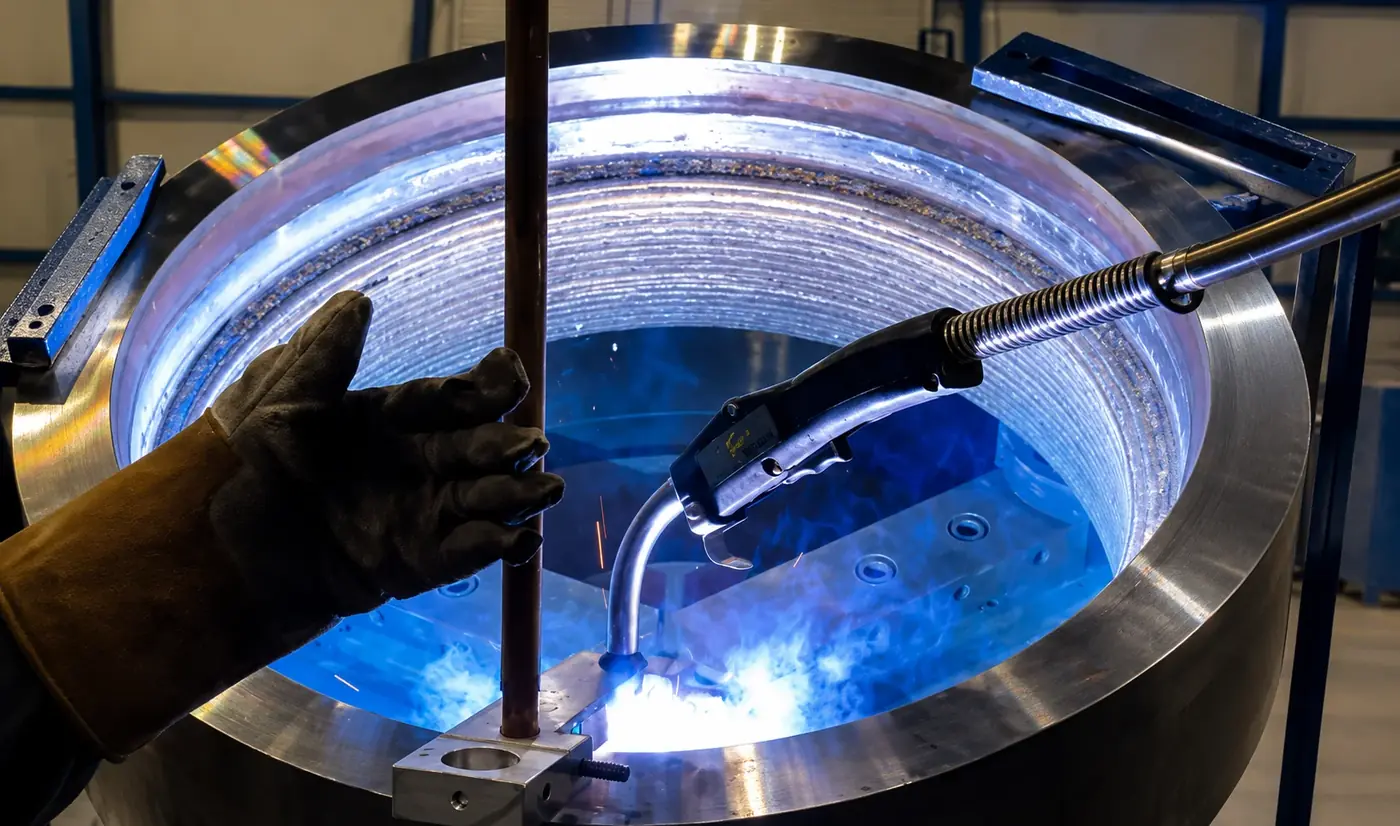
Ultraweld coat are the best Specialty Cladding Service Providers in Pune, we provide top cladding services which are crucial for protecting surfaces against corrosion, wear, and extreme temperatures. Specialty cladding is a technique used in manufacturing, oil and gas, and chemical processing to apply a protective, high-performance alloy layer to base metals. By utilizing advanced welding processes, specialty cladding enhances components' resistance to aggressive media and mechanical stress, extending their operating life and improving overall reliability.
As a top Specialty Cladding Service Providers,we provide two different cladding processes :
Our cladding range covers critical industrial components engineered to withstand aggressive environments:
Modern Fronius Make ETRs and Kuka Robots with Inconel 625/ 825, Hastelloy B3, and c276 Cladding Manipulations
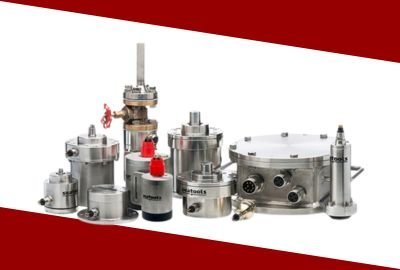
Foreign-trained Welding Engineers Assist the knowledgeable shop floor workers in maintaining the welding variables exactly to satisfy the demanding client requirements.
Are you finding the best Specialty Cladding Service Providers in Pune, then find the best Specialty Cladding Services at Ultraweld Coat Pvt. Ltd. we offers Pune’s top speciality cladding services.
Carbon steel or low alloy steel handles the design pressure and provides structural integrity.
Commonly used cladding materials include Inconel 625, Inconel 825, Hastelloy, Monel, Duplex, SS410, and SS316.
Skin thickness measured for a standard application of undiluted chemical cladding is 3 mm on average.
Weld overlayed cladding offers concrete solutions for differential thermal expansion between backup and clad materials.
A corrosion-resistant alloy is welded, layer by layer, onto the surface of a carbon or low-alloy steel component. The steel carries the pressure; the alloy layer faces the corrosive fluid. Because the layer is fused to the base metal it cannot peel or disbond, and it can be applied to shapes that could not be made from clad plate.
| Alloy | Typical service |
|---|---|
| Inconel 625 | Seawater, sour oil and gas, chlorides; the most widely specified overlay |
| Inconel 825 | Sour service and sulphuric or phosphoric acid environments |
| Hastelloy C276 / B3 | Severe chemical service |
| Monel | Seawater and hydrofluoric acid service |
| Duplex stainless steel | Chloride environments needing higher strength |
| SS316 / SS410 | Milder corrosion; SS410 where wear resistance is needed |
During welding some iron from the base metal mixes into the overlay. Too much iron at the surface reduces corrosion resistance, so project specifications normally limit the iron content at the finished face. Controlled, automated welding and applying the overlay in more than one layer keep dilution low.
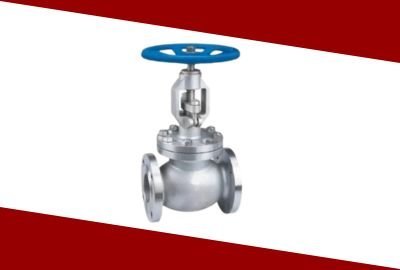
A component made entirely of nickel alloy costs many times one made of carbon steel. Cladding puts the expensive alloy only where the fluid touches, which is why it is standard for thick-walled valves, fittings and pressure vessels. See also valve cladding and cladded pipe and fittings.
In order to reduce the cost of pipelines for corrosion applications for pressured oil and gas and refinery piping, cladding is used within the pipes and fittings. Carbon steel or low alloy steel handles the design pressure, and the cladded material inside the pipe fights corrosion.
Weld overlay cladding commonly uses nickel alloys such as Inconel 625 and Inconel 825, Hastelloy and Monel, along with duplex stainless steel, SS316 and SS410. Inconel 625 is the most widely specified because it resists chlorides and sour fluids. The alloy is chosen for the fluid the component will carry.
For a standard application, the layer of undiluted cladding alloy, measured from the finished surface, is 3 mm on average. Below that depth the overlay is mixed with iron from the base metal, so it is the undiluted thickness that provides the corrosion resistance.
Weld overlayed cladding offers a concrete solution for a differential thermal expansion between back up and clad material, and is therefore commonly utilized for high pressure and high temperature applications.
Cladded pipes and fittings are used wherever the fluid would corrode carbon steel. Because produced hydrocarbons are often sour and corrosive, they are common in oil and gas flowlines, refinery and petrochemical piping and offshore systems, where an alloy layer protects a carbon steel pipe at a fraction of the cost of solid alloy.
Last updated:
 Get Free Quote