
Gat No. 129, Near SM Mart, Ganesh Nagar, Talawade, Pune - 411062, Maharashtra, India
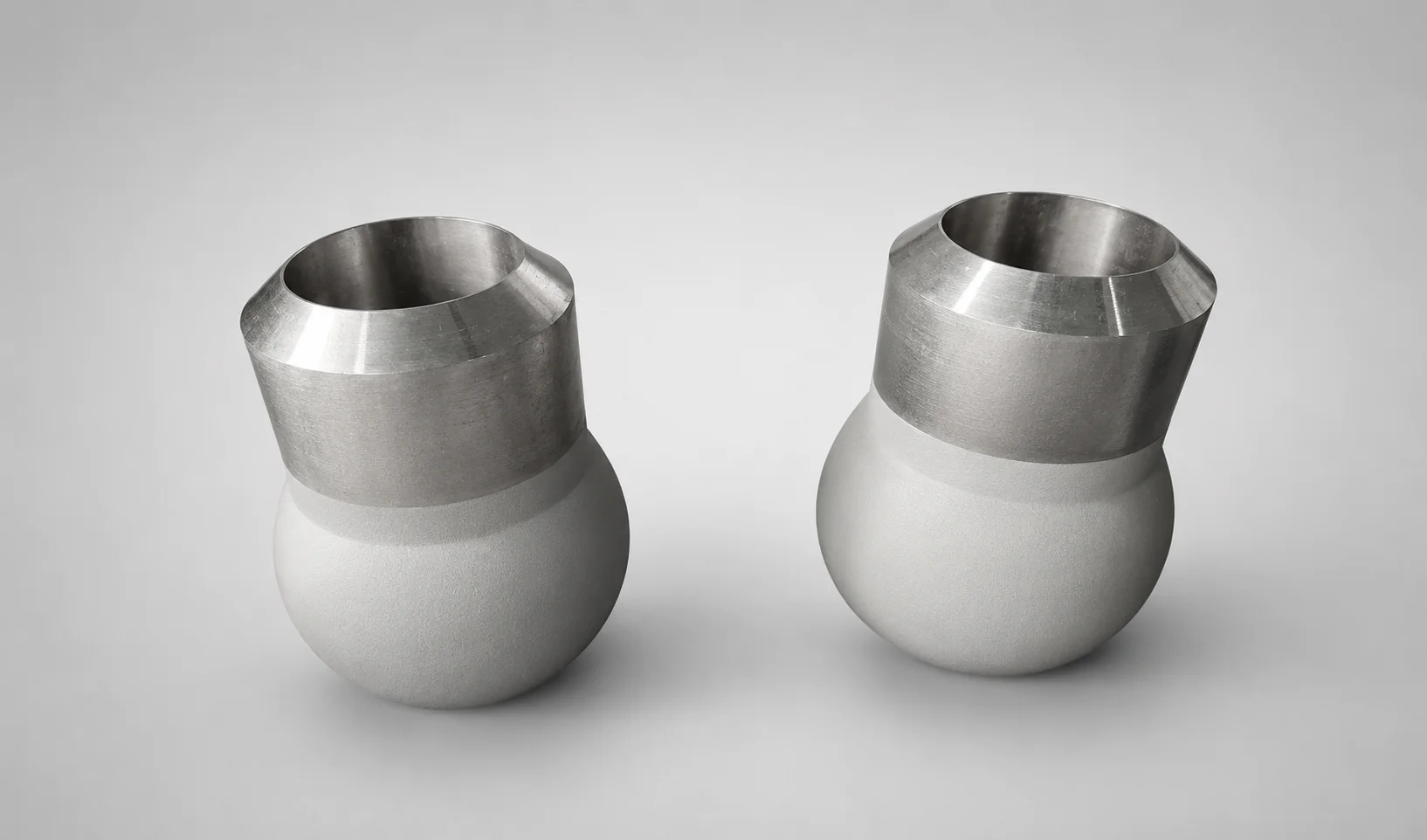
At Ultraweld coat we are the best CRC Coating Service Providers in Pune, CRC (Corrosion-Resistant Coating) is a protective coating applied to metal surfaces to prevent corrosion, thereby extending the lifespan and maintaining the integrity of the components. CRC coatings are used across various industries, including oil and gas, marine, automotive, aerospace, and construction, where exposure to harsh environments can lead to significant material degradation.
CRC coatings are essential for protecting metal surfaces in a wide range of industries and applications. By providing a robust barrier against corrosion, these coatings enhance the durability, performance, and lifespan of critical components and structures. With various types and application methods available, as we are Pune’s top CRC Coating Service Providers, our CRC coatings offer versatile and effective solutions for combating corrosion in even the harshest environments. Contact us for more CRC Coating Services or visit us today for perfect solutions for your custom needs of coatings.
Provides long-lasting protection even in extreme environments.
Suitable for a wide range of applications and materials.
Reduces the risk of structural failures caused by corrosion.
| Option | How it protects | Suited to |
|---|---|---|
| Thermal sprayed corrosion-resistant alloys | A dense layer of nickel- or chromium-rich alloy isolates the base metal | Shafts, sleeves and housings with little dimensional allowance |
| HVOF carbide coatings with corrosion-resistant binders | Combines a corrosion barrier with high hardness | Valve balls, seats and pump parts that wear and corrode together |
| Ceramic coatings | Chemically inert oxide layer | Seal areas and sleeves in chemical service |
| Weld overlay cladding | A thick, fused layer of corrosion-resistant alloy | Wetted surfaces of valves, pipes and pressure parts |
A sprayed coating is thin and applied with very little heat, so the part keeps its dimensions and properties; it is the usual answer for finished components and sealing surfaces. Weld overlay cladding deposits a much thicker layer that is fused to the base metal, which suits pressure-containing surfaces that stay in contact with corrosive fluid for years. Many assemblies use both.
Valve balls, gates and seats; pump shafts, sleeves and wear rings; pipe spools and fittings; and equipment for oil and gas, marine, chemical and power generation service.
No coating lasts for ever, but a dense, correctly selected coating greatly slows corrosion and extends the life of the part. Service life depends on the environment and on any wear acting on the surface.
Often, yes. The corroded material is machined away, the surface is rebuilt with a suitable coating or weld overlay, and the part is ground back to drawing size. Whether a part can be reclaimed depends on how much sound metal remains and on the duty it returns to.
To recommend a corrosion-resistant coating we need the base material of the part, the process fluid and its temperature, a drawing marking the areas to protect, the tolerance on those surfaces, and any customer or project specification the part has to meet.
Last updated:
 Get Free Quote