
Gat No. 129, Near SM Mart, Ganesh Nagar, Talawade, Pune - 411062, Maharashtra, India
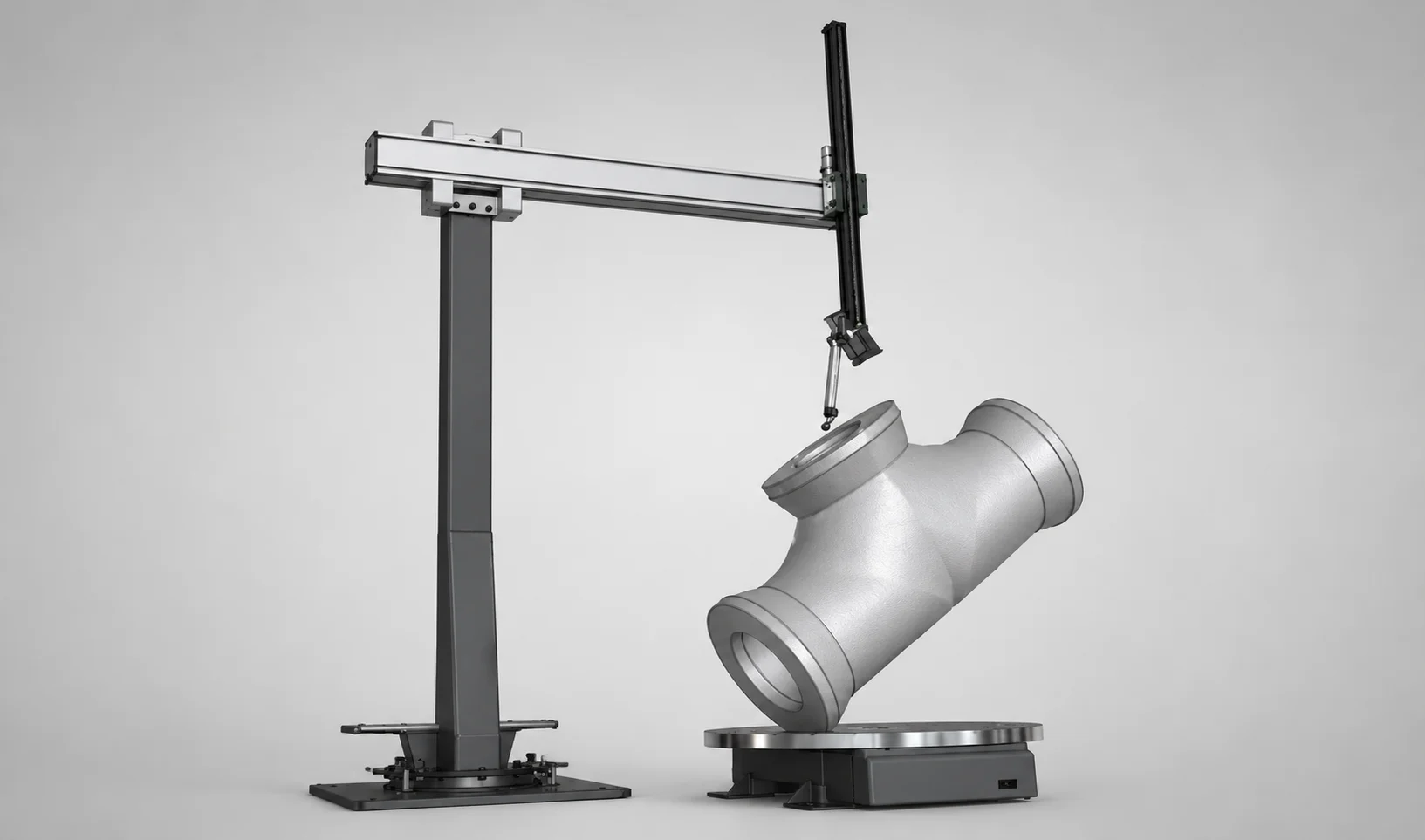
Ultraweld are the best Valve Cladding Service Providers in Pune. As a leading Valve Cladding Service Providers,we provides advanced technology valve which results accurate performance in your industrial operations. Valve cladding is a specialized process designed to enhance the durability and performance of industrial valves used in demanding environments. By applying a high-alloy cladding to the internal surfaces of valves, this technique provides significant resistance to corrosion, wear, and erosion, ensuring long-term reliability and functionality.
As a Pune’s best valve cladding service providers,we provide two different cladding processes :
We provide custom weld overlay solutions for all types of industrial valve components:
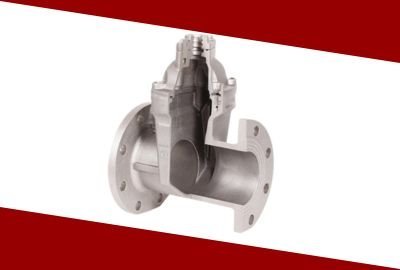
A valve body is a crucial component in fluid control systems, regulating the flow and pressure within pipelines and machinery.
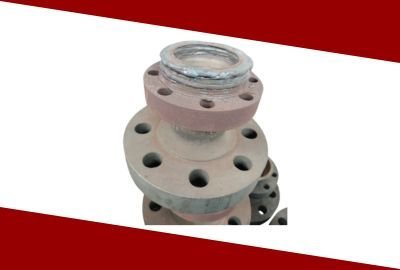
A valve adaptor connects and adapts different types of valves to ensure compatibility and efficient fluid control in a system.
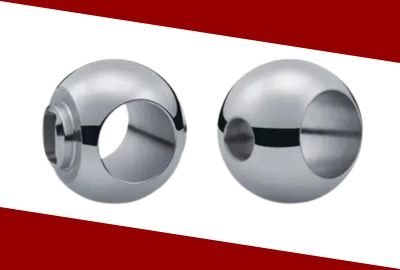
A valve ball is a spherical component within ball valves that controls fluid flow by rotating to open or close the passageway
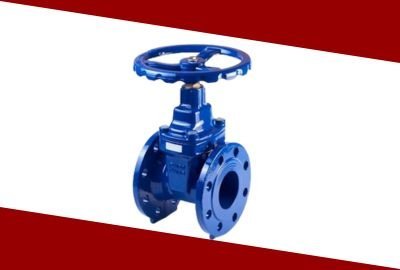
A gate valve is a type of valve that uses a sliding gate to control the flow of fluid, offering a reliable shut-off mechanism for pipelines.
Find best valve cladding services at Ultraweld Coat Pvt.Ltd.
Complete cladding overlays for ball valves, gate valves, globe valves, check valves, and control valves.
Carbon steel castings and forgings (such as A216 WCB, A105, A350 LF2, etc.).
Corrosion and wear resistant alloys including Inconel 625, Stellite 6, Stellite 21, and SS 316L.
We guarantee 3mm to 6mm finished cladding thickness after final machining and dimensional checks.
| Area | Why it is clad |
|---|---|
| Seat pockets and seal areas | Crevices here corrode first, and any pitting causes leakage |
| Ring grooves and flange faces | Gasket sealing surfaces must stay undamaged |
| Body bore and cavity | Full protection of all wetted surfaces in sour or seawater service |
| Balls and gates | Corrosion protection, with hardfacing on the sealing faces |
Partial cladding protects only the sealing areas and is the economical choice where the fluid is mildly corrosive. Full cladding covers every wetted surface and is specified for sour service, seawater and aggressive chemicals.
Inconel 625 and stainless overlays protect against corrosion. Seats and other sliding faces need wear resistance as well, so they are hardfaced with Stellite 6 or 21, or coated with tungsten carbide for metal seated valves.
In order to reduce the cost of pipelines for corrosion applications for pressured oil and gas and refinery piping, cladding is used within the pipes and fittings. Carbon steel or low alloy steel handles the design pressure, and the cladded material inside the pipe fights corrosion.
Weld overlay cladding commonly uses nickel alloys such as Inconel 625 and Inconel 825, Hastelloy and Monel, along with duplex stainless steel, SS316 and SS410. Inconel 625 is the most widely specified because it resists chlorides and sour fluids. The alloy is chosen for the fluid the component will carry.
For a standard application, the layer of undiluted cladding alloy, measured from the finished surface, is 3 mm on average. Below that depth the overlay is mixed with iron from the base metal, so it is the undiluted thickness that provides the corrosion resistance.
Weld overlayed cladding offers a concrete solution for a differential thermal expansion between back up and clad material, and is therefore commonly utilized for high pressure and high temperature applications.
Cladded pipes and fittings are used wherever the fluid would corrode carbon steel. Because produced hydrocarbons are often sour and corrosive, they are common in oil and gas flowlines, refinery and petrochemical piping and offshore systems, where an alloy layer protects a carbon steel pipe at a fraction of the cost of solid alloy.
Last updated:
 Get Free Quote