
Gat No. 129, Near SM Mart, Ganesh Nagar, Talawade, Pune - 411062, Maharashtra, India
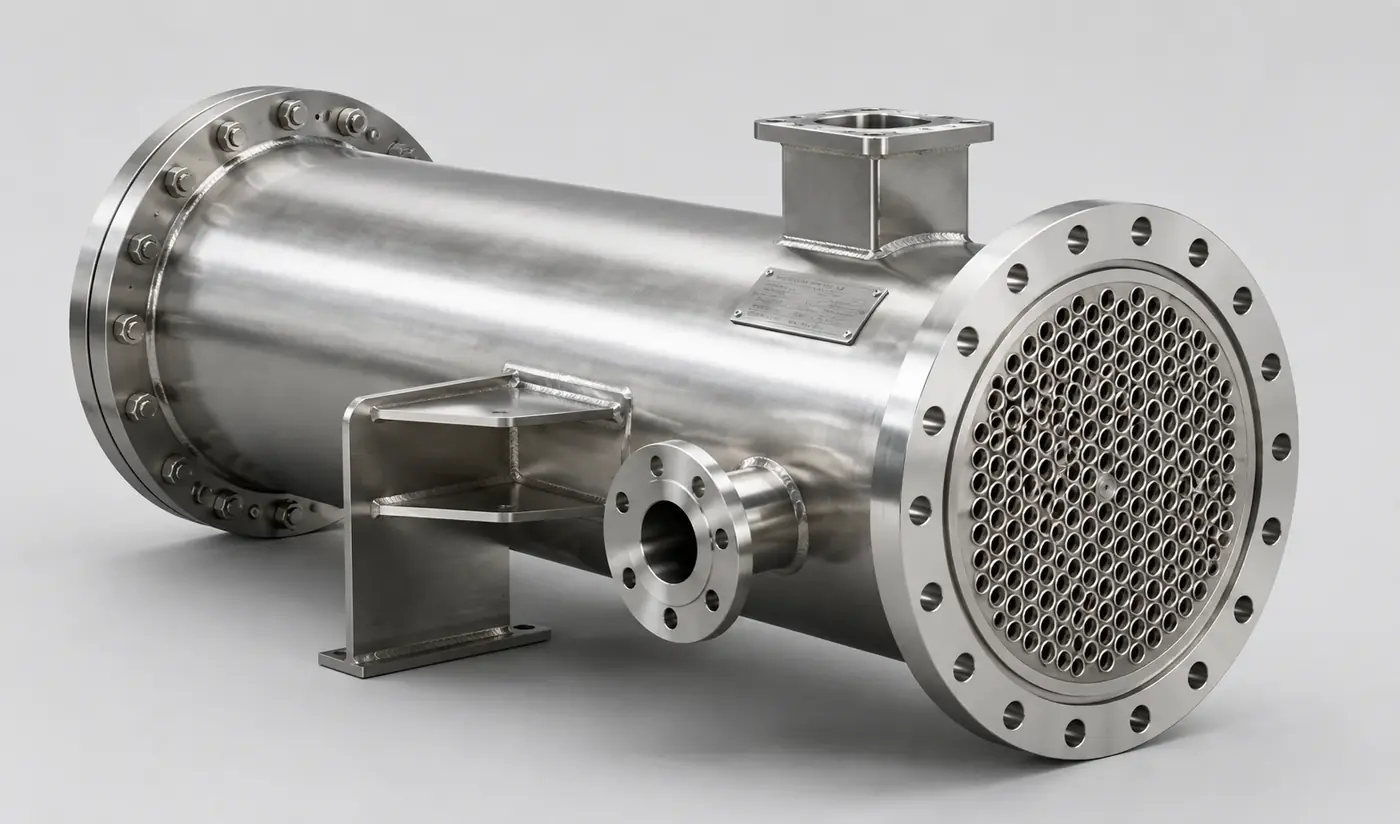
Ultraweldcoat are renowned as the best Heat Exchangers Manufacturer in Pune. Shell and Tube Heat Exchanger production for Ultraweld coat is a logical progression of its experience fabricating unusual metals. The modern process industry is in constant need of equipment made of unusual materials, such as titanium, inconnel, duplex stainless steel, clad materials, etc. Utilizing its proficiency in producing these materials and joining disparate components, Ultraweld Coat produces superior "shell and Tube Heat Exchanger". Because all of Ultraweld Coat’s products are made to the highest standards, they are authorized to use the certification seal.
Applications: As a leading Heat Exchangers Suppliers in Pune, our shell and tube heat exchangers are well suited for higher pressure industrial process applications and are widely utilized in a variety of settings, including refineries, oil and gas, and other big chemical processes. They come in different lengths and diameters. A broad variety of liquid to liquid and steam to liquid applications are supported by the heat exchangers’ design.
Tube sheet tube baffles and shell are used in the construction of the shell and tube heat exchangers. It is especially designed for a variety of purposes and is produced utilizing the most cutting-edge technologies available. Each item is created, produced, and examined to ensure that it satisfies ASME code quality standards. Get perfect solutions for your heat exchangers needs from Pune’s top Heat Exchangers Suppliers.
Our shell and tube heat exchangers are fabricated using the most advanced machinery to ensure optimal heat transfer efficiency and pressure resistance:
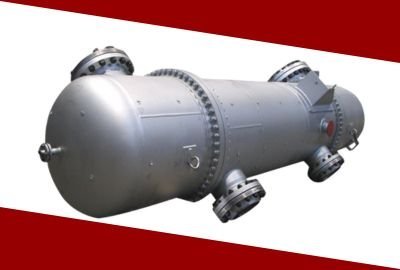
ASME certified 'U' Stamped heat exchangers designed for high pressure.
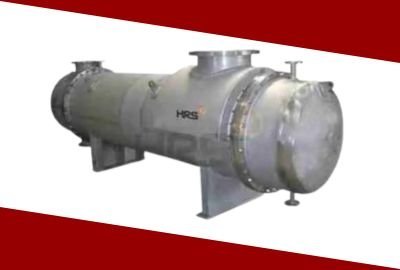
Industrial Heat Exchangers for Chemical Industries.
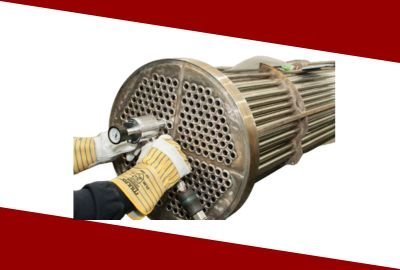
Installing tubes in heat exchangers with precision tolerances.
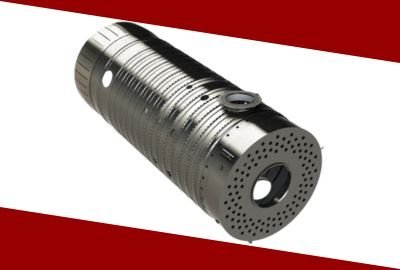
Turbine gas exhaust surface chambers for thermal recovery.
| Type | How it handles thermal expansion | Cleaning |
|---|---|---|
| Fixed tubesheet | Limited; an expansion joint may be added to the shell | Tube side only |
| U-tube | Each tube is free to expand | Bundle removable; U-bends harder to clean inside |
| Floating head | One tubesheet moves freely | Bundle removable; both sides can be cleaned |
Where the process fluid is corrosive, tubesheets, channels and nozzles can be protected with weld overlay cladding instead of being made from solid alloy, which keeps the cost of large exchangers down. We build pressure vessels to the same codes.
A heat exchanger passes heat from a hot fluid to a cooler one through a metal wall, usually the tube wall, without letting the two fluids mix. In a shell and tube exchanger one fluid flows inside the tubes and the other flows around them inside the shell.
In order to choose a heat exchanger, we must be aware of:
1. Type, temperature, and flow rate of the primary circuit fluid (often the hot fluid). Heat exchangers are designed using a variety of widely used codes from various organizations, including Sec VIII Div 1, ASME, TEMA, HTRI, and others.
2. What you wish to remove from the main circuit (a target outlet temperature or heat dissipation).
3. Fluid type, temperature, and flow rate (often the coolant) for the secondary circuit.
The fields shown above are really the minimum; while completing an enquiry, you should additionally inform us of any restrictions on pressure loss and any additional unique needs.
Last updated:
 Get Free Quote