
Gat No. 129, Near SM Mart, Ganesh Nagar, Talawade, Pune - 411062, Maharashtra, India
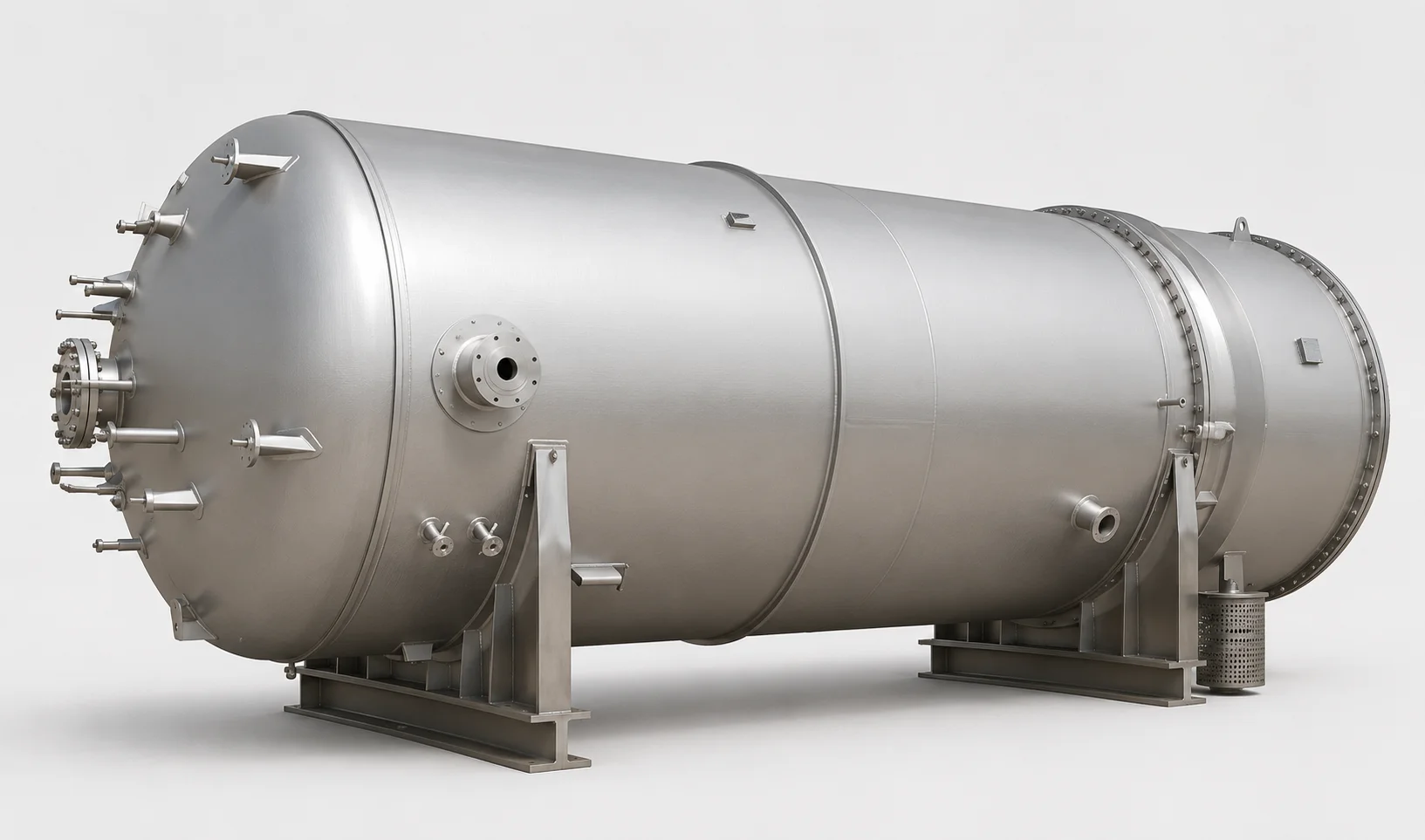
A pressure vessel is a closed container designed to hold gases or liquids at a pressure well above or below atmospheric. Ultraweld Coat manufactures pressure vessels in Pune to ASME Section VIII Division 1, including accumulator shells, filter vessels and exotic-metal cladded vessels.
We are leading Pressure Vessels manufacturer in Pune. High integrity, high reliability pressure vessels, towers, and columns are provided by Ultraweld Coat in almost all engineering metals utilized in the process sector. Pressure vessels from Ultraweld Coat are made to function safely at a particular temperature and pressure. As per code stamp, Ultraweld Coat is authorized by ASME ‘U’ & ‘R’ Stamp to be used in the production of pressure vessels. Reputable international inspection organizations like LLOYDS, TUV, BUREAU VERITAS, AKER KVAERNER, UHDE, and TOYO have certified Ultraweld Coat’s pressure vessel manufacturing. As a leading Pressure Vessels Suppliers in Pune, the kinds of vessels that Ultraweld Coat provides are:
As a leading Pressure Vessels Suppliers in Pune we are offering top quality advanced technology vessels which suited to your business needs.
Our pressure vessels are custom fabricated in compliance with ASME section VIII Division 1 standards to meet complex process engineering requirements:
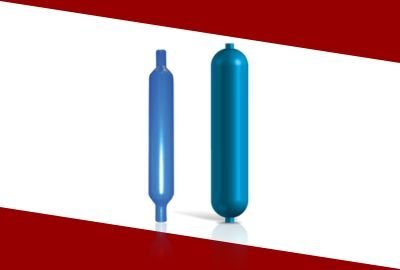
ASME 'U' Stamped Accumulator Shell for High Pressure Use.
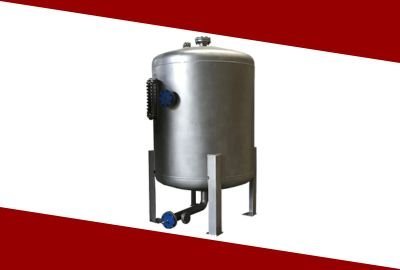
Filter Vessel with High Pressure for Oil and Gas Use.
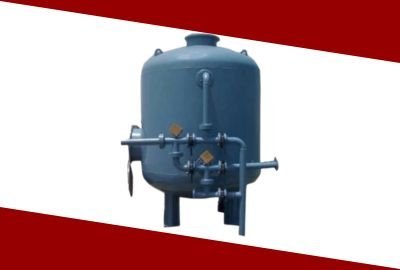
Quick-opening lid for a high-pressure filter.
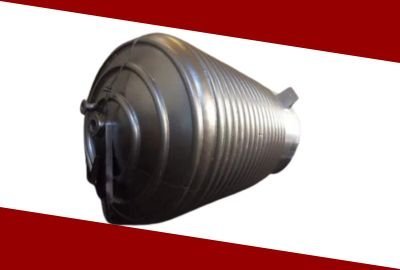
Cladded Pressure Vessel for Chemical Plants in Compliance with ASME Sec VIII Div 1.
| Design input | Why it matters |
|---|---|
| Design pressure and temperature | Set the wall thickness and the material grade |
| Contents | Decide the material and whether cladding is needed |
| Corrosion allowance | Extra thickness for metal lost over the service life |
| Minimum design metal temperature | Guards against brittle fracture in cold conditions |
| Nozzles and loads | Openings are reinforced; piping loads are checked where specified |
For corrosive contents, a carbon steel shell with a corrosion-resistant alloy layer on the wetted surfaces gives the service life of an alloy vessel at a much lower cost. The overlay is applied in-house; see specialty cladding.
Filter vessels that are opened regularly use quick-opening closures. These are designed so the closure cannot be released while the vessel is under pressure.
A pressure vessel is comparable to a boiler, with the exception that it draws its dangerous pressure from an external source. According to its definition, it is a vessel that receives pressure either directly from an external source or indirectly through the application of heat.
External loads are not intended for nozzles unless the customer specifically requests them to be. Common methods used when nozzle loads are necessary for pressure vessels are as follows:
1. The buyer supplies loads for a select few nozzles.
2. A predetermined table of nozzle loads broken down by nozzle size is provided by the buyer and is included in the original design estimate.
3. The buyer asks for the permitted nozzle loads. The nozzle is made to withstand pressure and temperature, and the permitted external loads are then computed in reverse. This approach is the priciest and least preferred one, because it can yield permissible loads that are too low to be useful.
Last updated:
 Get Free Quote