
Gat No. 129, Near SM Mart, Ganesh Nagar, Talawade, Pune - 411062, Maharashtra, India
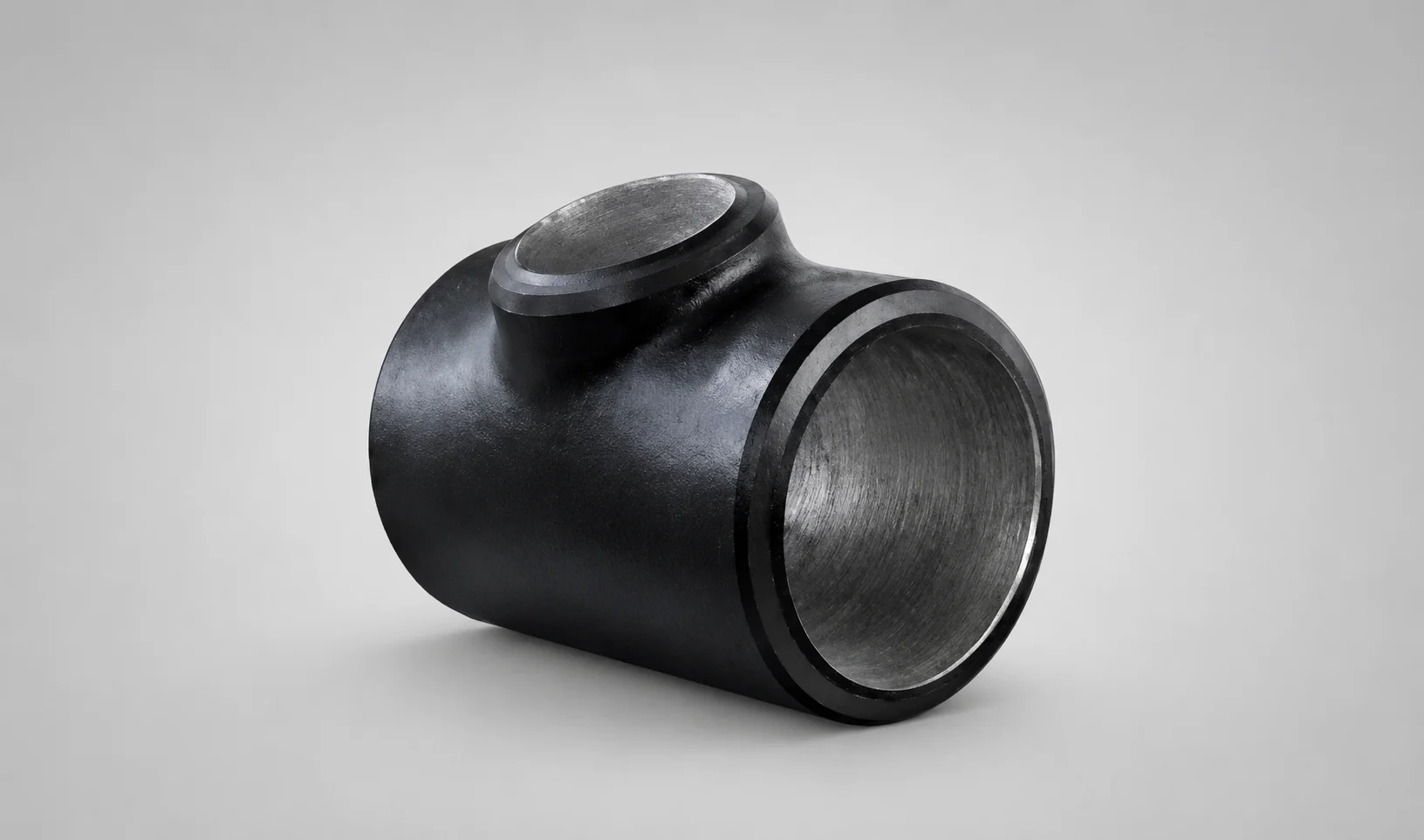
Ultraweld Coat are the best Cladded Pipes manufacturer in Pune,so our cladded pipes meet the highest requirements possible for durability, cost-effectiveness, and strength. The inner high alloyed cladding of the pipe is intended to prevent corrosion, and the outside portion of the pipe is typically composed of carbon steel to withstand internal pressures.
As a top Pipe Fittings Service Providers in Pune,we provide two different cladding processes :
Our cladded piping products are manufactured in compliance with international standards for extreme pressure and temperature environments:
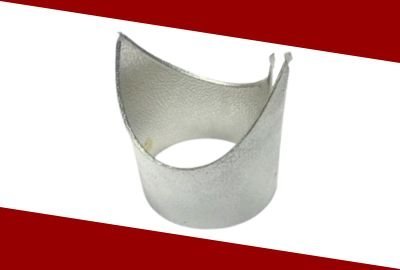
Ultraweld Coat uses Kuka Robots and the Fronius ETR Machine for Inconel 625/825, Hastelloy C276, and B3 Grade.
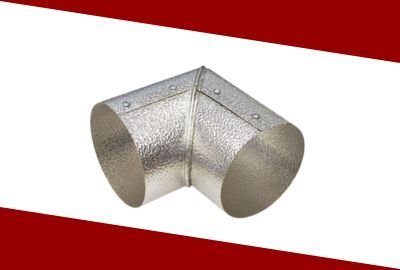
In Inconel 625/ 825, Hastelloy C276, and B3 Grade, Ultraweld Coat uses Fronius ETR Machines and Kuka Robots.
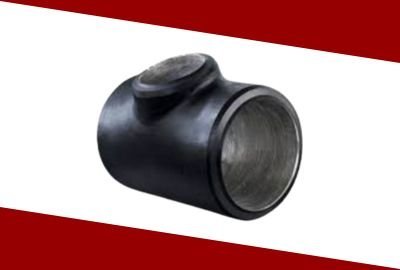
Ultraweld Finish For pipes with a diameter of 3 to 36 inches made of Inconel 625/ 825, Hastelloy C276, and B3 grade, use Fronius power sources and wire feeders.
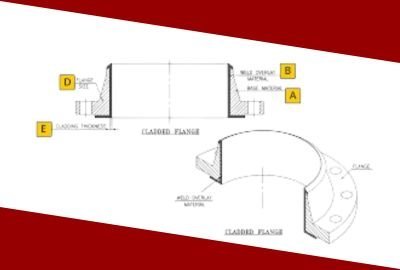
Various pressure grades of Inconel 625/ 825 up to 60″ diameter flanges
However, finding reliable cladded pipe suppliers in Pune is the key for the requirement of durable and corrosion-resistant pipes in the industry. Number of trustworthy cladding pipe suppliers in Pune,that offer high-quality goods which are in accordance with rigorous industrial standards. Moreover, a competent provider of pipe fitting services guarantees reliable installation and maintenance which are instrumental in the proper functioning and safety of your piping systems. Another major advantage of buying from local suppliers and service providers is that they will be able to give you instant solutions that are personalized according to your needs. Find the best pipe fitting services provider,at Ultraweld Coat.
Ranging from 4" to 48" Nominal Bore to fit standard and custom piping system configurations.
High-performance corrosion-resistant alloys including Inconel 625, SS 316L, SS 304L, and Duplex SS.
Robust overlays on elbows, tees, reducers, flanges, and high-integrity induction bends.
Procedural compliance with international quality and security standards: ASME B16.9, ASME B16.5, and API 5LD.
| Method | How it is made | Best suited to |
|---|---|---|
| Weld overlay | Alloy is welded onto the bore of pipe and fittings | Fittings, flanges, bends and short spools |
| Metallurgically clad pipe | Clad plate is formed and welded into pipe | Long runs of straight pipe |
| Mechanically lined pipe | An alloy liner is expanded into a carbon steel pipe | Economical straight pipe where the liner bond is not relied on |
Fittings are almost always weld overlaid, because their shapes cannot be made from clad plate or lined.
The corrosion barrier has to continue across every weld. Pipe ends are prepared so the joint can be welded with alloy filler on the inside, and the ends of lined pipe are usually overlay welded to seal the liner.
Related: prefabricated nickel coated pipe spools and valve cladding.
In order to reduce the cost of pipelines for corrosion applications for pressured oil and gas and refinery piping, cladding is used within the pipes and fittings. Carbon steel or low alloy steel handles the design pressure, and the cladded material inside the pipe fights corrosion.
Weld overlay cladding commonly uses nickel alloys such as Inconel 625 and Inconel 825, Hastelloy and Monel, along with duplex stainless steel, SS316 and SS410. Inconel 625 is the most widely specified because it resists chlorides and sour fluids. The alloy is chosen for the fluid the component will carry.
For a standard application, the layer of undiluted cladding alloy, measured from the finished surface, is 3 mm on average. Below that depth the overlay is mixed with iron from the base metal, so it is the undiluted thickness that provides the corrosion resistance.
Weld overlayed cladding offers a concrete solution for a differential thermal expansion between back up and clad material, and is therefore commonly utilized for high pressure and high temperature applications.
Cladded pipes and fittings are used wherever the fluid would corrode carbon steel. Because produced hydrocarbons are often sour and corrosive, they are common in oil and gas flowlines, refinery and petrochemical piping and offshore systems, where an alloy layer protects a carbon steel pipe at a fraction of the cost of solid alloy.
Last updated:
 Get Free Quote