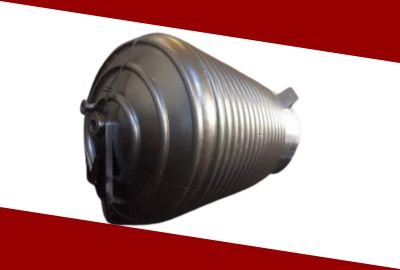
Pressure Vessels

Pressure Vessels manufacturer in Pune

Pressure Vessel Manufacturer in Dubai, UAE

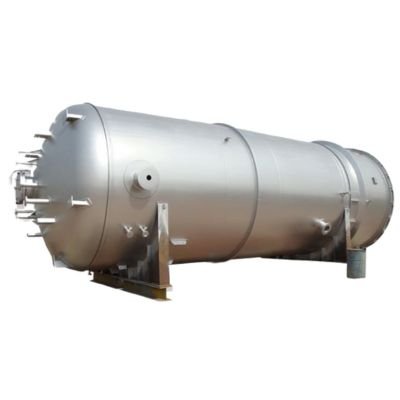
Ultraweld Coat is a trusted Pressure Vessel Manufacturer in Dubai, UAE, delivering high-quality pressure vessels for the oil & gas, petrochemical, chemical processing, power generation, marine, and industrial sectors. Our pressure vessels are engineered to safely operate under high-pressure and high-temperature conditions while meeting international quality and safety standards.

We manufacture pressure vessels using carbon steel, stainless steel, duplex steel, and exotic alloy materials to suit diverse industrial applications. 

  • Exotic Metal Cladded Pressure Vessels
  • Accumulator Shells
  • Filter Vessels

Our pressure vessels are manufactured to comply with recognized international codes and standards, ensuring dependable performance in critical industrial environments.

Pressure Vessels Range

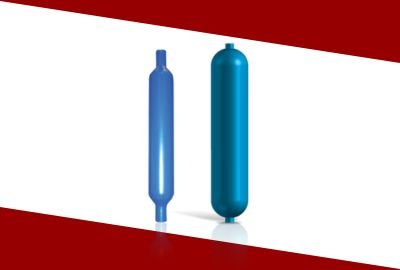
Accumulator Shell

Accumulator Shell

High-pressure accumulator shells designed for reliable performance in hydraulic and industrial applications.

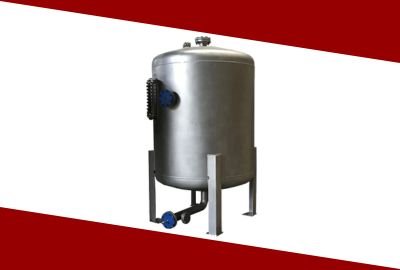
Filter Vessel

Filter Vessel

Heavy-duty filter vessels manufactured for oil & gas, petrochemical, and industrial filtration systems.


High Pressure Filter

High Pressure Filter

Robust high-pressure filter vessels with quick-opening closures for safe and efficient maintenance.

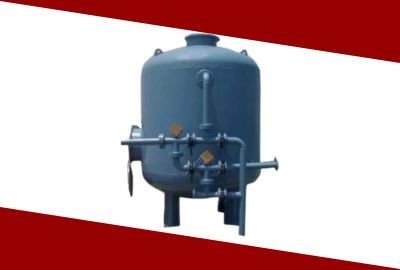
Cladded Vessel

Cladded Vessel

Corrosion-resistant cladded pressure vessels manufactured for chemical processing and demanding industrial applications.

Frequently Asked Questions Regarding Valve Cladding

A Pressure Vessel Manufacturer in Dubai is a specially designed container that stores gases or liquids at pressures significantly different from atmospheric pressure. These vessels are widely used in oil & gas, chemical processing, power plants, and manufacturing industries.

Pressure vessels are commonly used in oil & gas, petrochemical, chemical processing, marine, power generation, water treatment, food processing, and pharmaceutical industries.


  • The buyer supplies loads for a select few nozzles.
  • A predetermined table of nozzle loads broken down by nozzle size is provided by the buyer and is included in the original design estimate.
  • The buyer asks for the permitted nozzle loads. The nozzle is made to withstand pressure and temperature, and the permitted external loads are then computed in reverse. This approach is the priciest and least preferred one, because it can yield permissible loads that are too low to be useful.

1